8 Sep 2026
Swedish Regulatory Oversight Transforms Bonus Structures for Live Dealer Table Games on Licensed Platforms
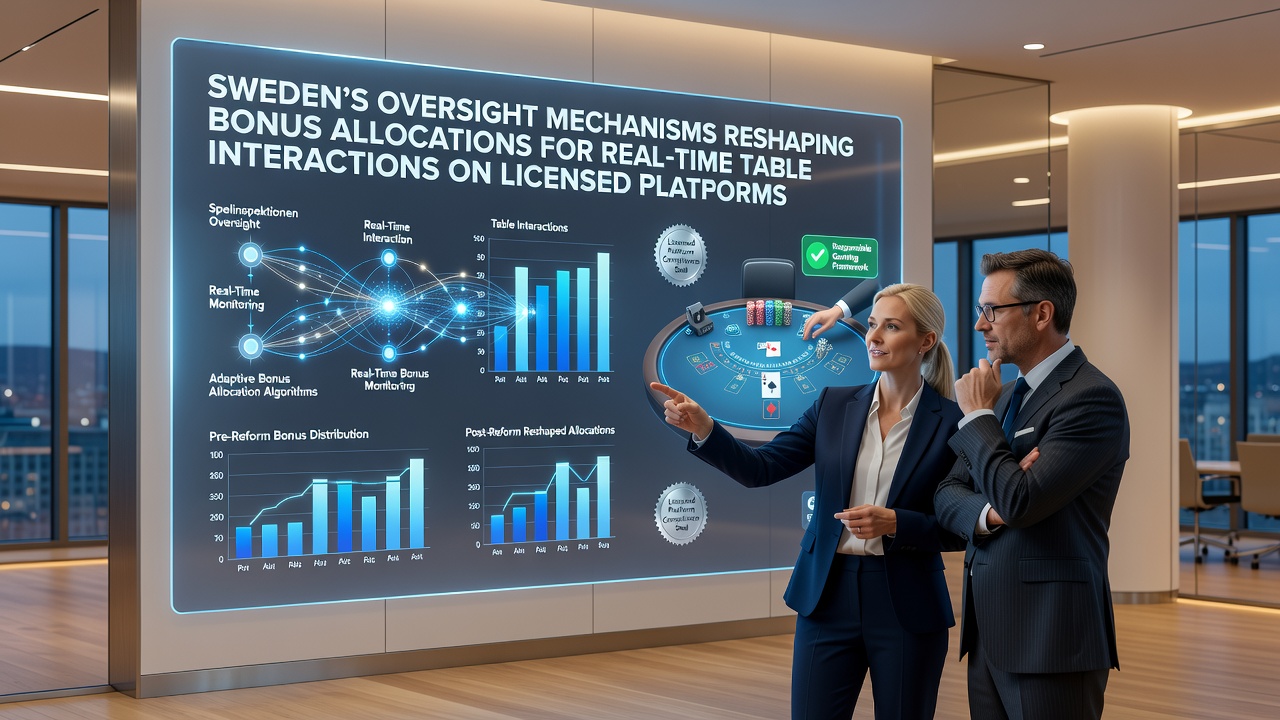
Swedish authorities have refined oversight protocols that directly influence how licensed operators distribute bonuses tied to real-time table interactions, with data from Spelinspektionen showing measurable shifts in player incentives since the start of 2025. These mechanisms require operators to align bonus offers with strict responsible gaming standards, which means allocations for blackjack, roulette, and baccarat sessions now undergo detailed review before deployment. Operators must submit allocation plans that detail wagering requirements, maximum win caps, and time limits, all while maintaining transparency for users across mobile and desktop interfaces.
Core Elements of the Oversight Framework
Spelinspektionen enforces rules that separate bonus funds from deposits in real-time table environments, which prevents operators from bundling promotions in ways that obscure actual play costs. Licensed platforms submit monthly reports detailing bonus uptake rates for table games, and authorities cross-reference these figures against player behavior data to identify patterns that might indicate excessive risk. In September 2026, updated reporting templates will take effect that expand categories for live dealer interactions, requiring granular breakdowns by game type and session duration.
Those who monitor the sector note that bonus caps now apply differently to table products than to slot content, because real-time interactions involve variable pacing and human dealer elements that regulators view as higher engagement risks. Operators adjust their strategies accordingly, often limiting bonus eligibility to specific table variants or capping the number of concurrent live sessions per player account. This approach stems from licensing conditions that prioritize measurable harm reduction over volume-based promotions.
Impact on Licensed Platform Operations
Platform developers respond by integrating compliance modules directly into live dealer software, which track bonus usage in real time and flag allocations that exceed predefined thresholds. Data indicates that since mid-2025, several major licensed sites reduced average bonus values for table games by 15 to 20 percent to stay within new allocation guidelines. These adjustments appear in player-facing terms that clearly state how bonus funds apply to live sessions, including minimum bet sizes and excluded table variants.

Industry reports from the European Gaming Association highlight similar regulatory patterns across Nordic markets, yet Sweden maintains tighter integration between bonus oversight and live table licensing. Operators who fail to meet allocation standards face license reviews or temporary suspension of promotional features, which encourages proactive redesign of table game lobbies. What's notable is how these rules extend to affiliate marketing channels, where promotional links must now disclose bonus limitations before directing traffic to live dealer sections.
Player Account and Data Considerations
Account verification processes now include bonus history audits that cover real-time table activity, allowing regulators to verify whether allocations align with responsible play markers. Licensed platforms implement automated alerts that notify users when bonus funds approach exhaustion during live sessions, a feature that became mandatory under 2025 revisions. Research from the Australian Gambling Research Centre shows comparable notification systems reduce extended play sessions, and Swedish authorities reference such findings when refining their own protocols.
Operators maintain detailed logs that separate bonus-driven table play from cash-funded activity, which supports quarterly audits conducted by independent reviewers. These logs feed into centralized databases that Spelinspektionen accesses to evaluate market-wide trends, particularly around peak hours for live dealer tables. Updates planned for September 2026 will introduce API standards that standardize how platforms transmit this data, reducing administrative burdens while increasing oversight precision.
Future Adjustments and Compliance Pathways
Stakeholders anticipate further refinements that may tie bonus allocations more closely to individual player risk profiles derived from live table behavior. Licensed entities already test segmented bonus models that offer smaller incentives to high-frequency table players while maintaining standard offers for casual users. Compliance teams coordinate with software providers to embed these controls at the code level, ensuring that table interaction bonuses activate only after system checks confirm alignment with current regulations.
Conclusion
Swedish oversight continues to evolve through structured mechanisms that reshape bonus allocations specifically for real-time table interactions on licensed platforms. The combination of reporting requirements, technical integrations, and phased updates through September 2026 creates a framework where operators balance promotional activity with regulatory compliance. Data from multiple sources confirms these changes affect how platforms present and manage incentives, leading to more segmented and transparent bonus structures across the licensed market.