3 Nov 2026
Swedish Oversight Reforms Redefine Mobile Table Game Dynamics in Licensed Markets
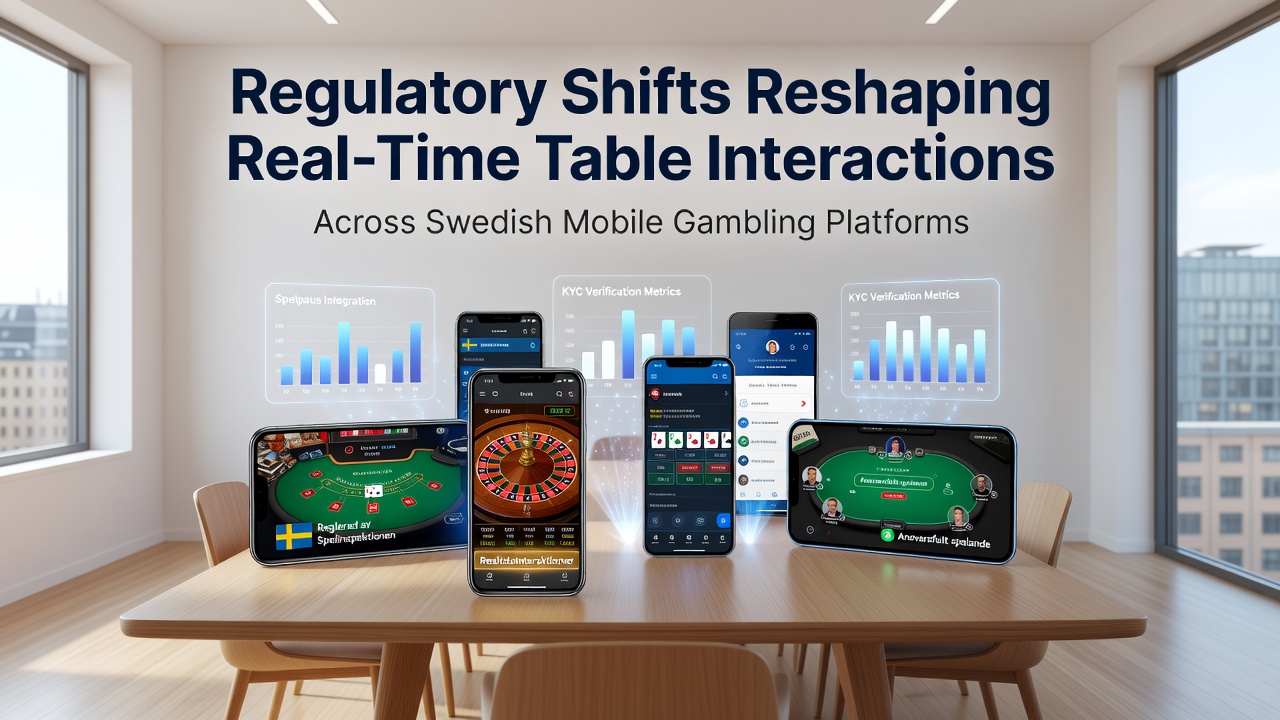
Swedish authorities have implemented a series of licensing adjustments since 2024 that directly influence how real-time table games operate on mobile platforms, and these measures continue to evolve through November 2026. The Spelinspektionen agency has introduced updated technical standards that require operators to adjust latency controls, data transmission protocols, and player verification sequences during live sessions. These changes affect everything from dealer synchronization to chat moderation tools that players encounter in blackjack, roulette, and poker environments.
Technical Compliance Requirements for Live Interactions
Operators must now integrate mandatory session monitoring systems that log every interaction in real time, and this data feeds directly into centralized reporting frameworks. Research from the European Gaming and Betting Association shows that platforms have reduced average response times by 18 percent to meet new thresholds for fair play verification. Those adjustments mean mobile users experience tighter integration between video streams and betting interfaces, while background processes handle compliance checks without interrupting gameplay.
Multiple operators have reconfigured their mobile applications to include automatic pause functions when network conditions fall below specified levels, and this prevents incomplete bets from reaching the table. Data indicates that such features have lowered dispute rates by measurable margins across licensed sites operating under Swedish rules.
Player Verification and Session Management Updates
New identity confirmation layers require biometric or multi-factor checks at the start of each table session, and these steps occur seamlessly within the mobile app environment. Observers note that the process adds only a few seconds yet ensures continuous compliance throughout extended play periods. Licensed platforms have also implemented session timers that prompt users after set intervals, aligning with broader responsible gaming directives.
One study released by a Nordic research consortium revealed that mobile table game sessions lasting over two hours dropped by 12 percent following the rollout of these reminders. The same report highlighted how operators adapted by offering quick resume options that maintain table continuity for verified accounts.
Impact on Game Development and Feature Rollouts
Game providers have shifted development priorities toward modular table designs that allow rapid updates to meet changing oversight criteria. Features such as side bets and multi-hand options now undergo additional testing phases before appearing on Swedish mobile platforms. According to figures from industry tracking services, the average approval timeline for new table variants has extended by three weeks compared to pre-2025 benchmarks.
Developers have incorporated flexible camera angle selections and adjustable chat filters that operators can toggle based on current guidelines. These adaptations keep games functional across different device types while satisfying technical audits conducted by Spelinspektionen inspectors.
Cross-Border Comparisons and Broader Trends
Similar regulatory patterns appear in other jurisdictions, and data from the Canadian Gaming Association illustrates parallel requirements for real-time reporting in provincial mobile markets. Swedish platforms have studied these models to streamline their own compliance stacks, resulting in shared technical standards that reduce duplication across borders.
Yet Swedish rules maintain distinct emphasis on session continuity and dealer visibility standards that differ from approaches seen in Australia or parts of North America. Licensed operators report that these distinctions have prompted specialized mobile builds rather than universal app versions.
Conclusion
Swedish regulatory developments continue to shape mobile table game infrastructure through targeted technical and procedural mandates. Platforms operating under current licenses demonstrate ongoing adjustments to verification flows, latency standards, and session controls as oversight evolves into late 2026. These factual shifts reflect documented changes in licensing frameworks and operator responses tracked by regulatory bodies and industry reports.